Why Managed IT Asia is Singapore’s Top Choice for SME IT Support

Why Managed IT Asia is Singapore’s Top Choice for SME IT Support

If your business is always reacting to tech problems, you’re already a step behind. Downtime can seriously impact a business, especially for SMEs where every minute matters. That’s why many Singaporean companies trust Managed IT Asia. Recognised on the Channel...
How to create secure passwords

How to create secure passwords

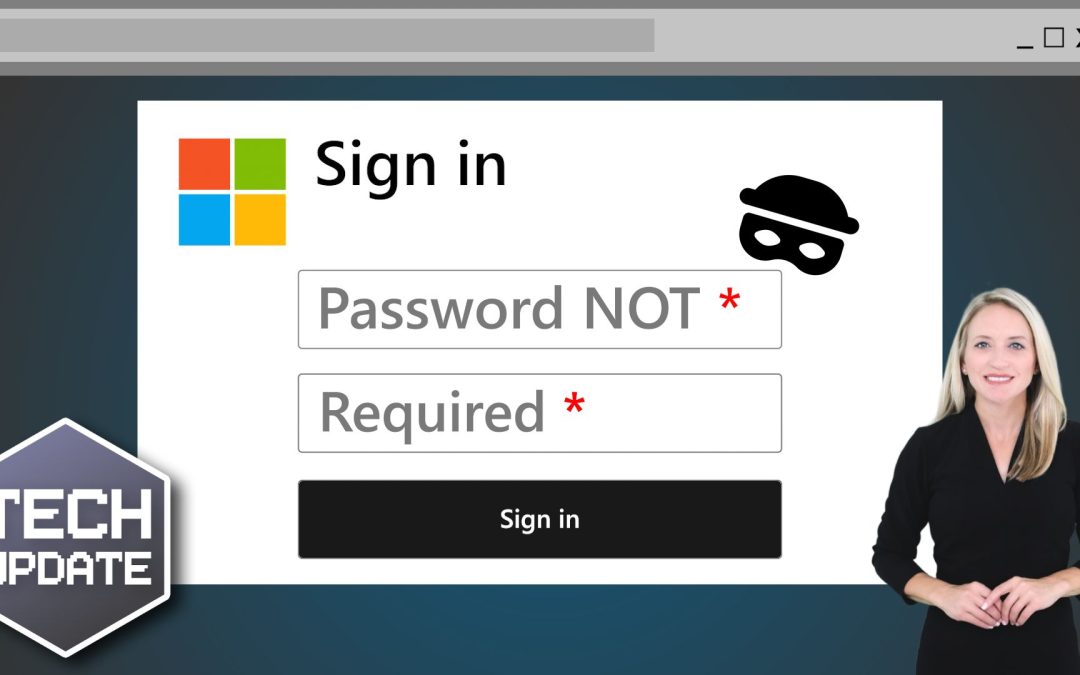
Weak passwords are one of the biggest security risks to your business.
Why?
Because cyber criminals are getting smarter than ever before. If they manage to crack just one password, they could gain access to your sensitive business data, financial information, or even gain control of your entire system.
Cyber criminals use automated tools to guess passwords, allowing them to try out millions of combinations in seconds. So, if you’re using something like “Password123” or “CompanyName2025”, you’re practically handing them the keys to your business.
A compromised password can lead to big issues, such as:
• Data breaches
• Financial losses
• Identity theft
• Reputation damage
But how do you create strong passwords without driving yourself (and your team) mad?
Think of your password like a secret recipe, where only you should know the ingredients. It should:
• Be at least 14 characters long (the longer, the better)
• Include a mix of uppercase and lowercase letters
• Contain a few numbers and symbols (like @, $, %, or &)
• Not contain any common words or easily guessable information (like birthdays, names, or the word “password”)
Instead of using a single word, you could try a passphrase – a short, random sentence that only you would understand. For example, instead of “Sailing2025”, try something like “Coffee&CloudsAreGreat9!”. This is much harder to crack, yet still easy to remember.
You should also steer clear of these common mistakes:
• Using personal info (your name, birthday, business name, etc.)
• Reusing the same passwords across multiple accounts
• Using simple sequences (“123456” or “abcdef”)
• Storing passwords in an easily accessible place (like a sticky note on your desk)
If remembering unique passwords for every account sounds impossible, there is another option: Password managers. These generate strong passwords, store them securely and autofill them for you.
With a password manager, you only need to remember one strong master password for the manager app itself. The rest are encrypted and stored safely, reducing the risk of data breaches.
Even the strongest password isn’t foolproof, which is why multi-factor authentication (MFA) is also important. MFA requires a second form of verification, like a one-time code sent to your phone or generated from an authentication app.
If you have employees accessing your business systems, it’s a good idea to have a password policy in place to explain your rules and why they’re important. This should include:
• Unique passwords for each system and account
• Regular security training on password best practices
• Business-wide use of MFA for critical systems
• Scanning for compromised passwords regularly
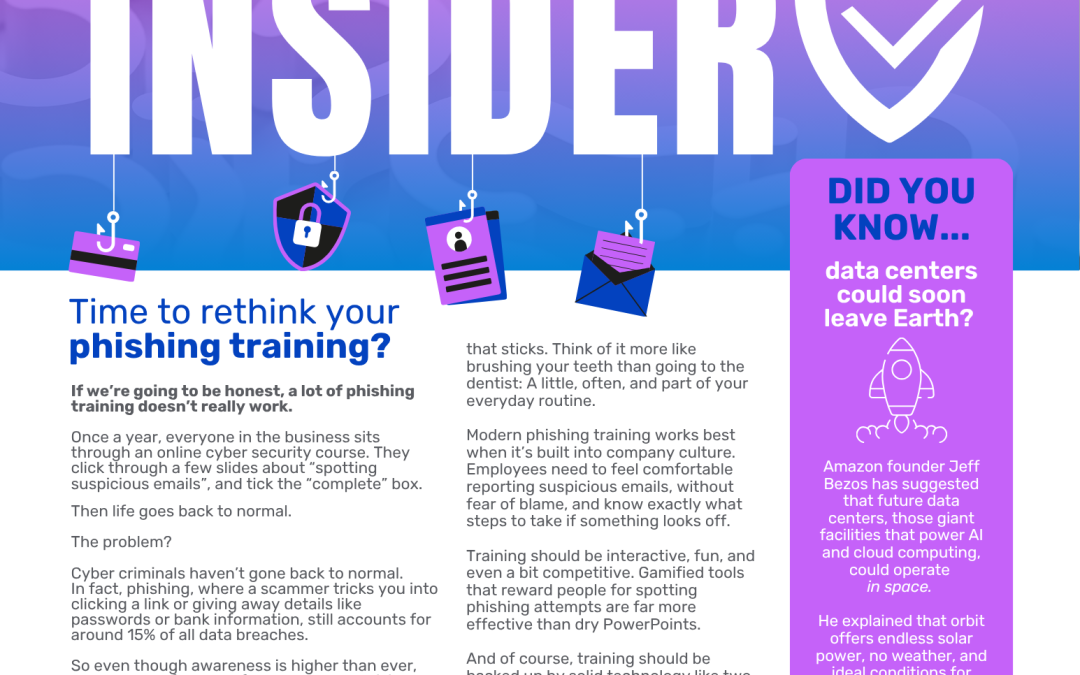
By making password security a priority, you can reduce the chances of a cyber attack creating a nightmare for your business.
And if you need help making your business more secure, get in touch.

How to get the most out of Microsoft Teams

How to get the most out of Microsoft Teams

How to get the most from Microsoft Teams Still using Microsoft Teams just for calls and chat? You’re missing out. It’s so much more than a messaging tool. In our latest video, we show you how to get the most from Teams. From real-time collaboration to keeping your...
How to get the most out of Microsoft Teams

How to get the most from Microsoft Teams

How to get the most from Microsoft Teams If your business is still juggling emails, lost files, and “final_final_v3” documents, Teams could be a game changer. Yep, it does more than just video calls. Our latest guide shows you how to use Teams as your digital office....
How concerned should you be about cyber attacks?

How concerned should you be about cyber attacks?

You’ve probably heard a lot of talk about cyber attacks but how worried should you really be? Well, very, because cyber criminals are getting smarter. We have good news to share about how you can protect your business

202509 Managed IT Asia Newsletter

202509 Managed IT Asia Newsletter

We’re swimming in data these days. But for many businesses, it’s not helping. It’s overwhelming. Your team shares a report packed with numbers and charts… but instead of sparking ideas, it leaves people wondering where to start. In this month’s newsletter, we explore...
Beware these common ‘malvertising’ attacks

Beware these common ‘malvertising’ attacks

Ever clicked an online ad and wondered afterwards if it was a scam?… most of us have – and cyber criminals want us to keep doing it. Here’s what to look out for to stop your business’s data (and profits) falling into the wrong hands…

Why a password manager is a business essential

Why a password manager is a business essential

Why a password manager is a business essential Still relying on your memory (or sticky notes) for business passwords? That’s risky. Weak or reused passwords are one of the easiest ways for hackers to break in. There’s a better way. Our latest video reveals a tool...